
February 11, 2026 Guest opinion piece
Digital Product Passports (DPPs) will become a shared language for product information linking materials, manufacturing and end-of-life data. It’s not just an EU story: yes, the Ecodesign for Sustainable Products Regulation (ESPR) has set the framework so far, but similar initiatives are emerging globally, including in China.
Key ESPR timings for textile products:
- 2027: Delegated Act for Textiles/Apparel published (this defines what “version 1” looks like)
- +18 months adoption of measure period
That sounds far away, but building reliable data processes takes time.
Why start now (without panic)
Early action is about reducing complexity later. Starting now helps brands in three big ways:
1. Avoid last-minute bottlenecks
When the Delegated Act for Textiles lands, brands will have roughly 18 months before compliance applies. That sounds generous, but building clean, connected data flows across multiple tiers of suppliers takes time. Waiting until the rules are final often means scrambling to retrofit systems, chase missing data and manage overlapping deadlines. Starting now spreads the workload and avoids the panic later.
2. Support suppliers who may otherwise face repeated audits
Suppliers are already under pressure from multiple brands asking for similar information in different formats. This duplication creates audit fatigue, extra costs and strained relationships. By engaging early and aligning on standardised templates or shared platforms, brands can reduce repetitive requests and make compliance less painful for their supply chain partners.
3. Build flexible systems that adapt as regulations evolve
DPP requirements won’t be static. The first version for textiles will set a baseline, but additional fields and new frameworks (such as China’s emerging DPP initiatives) will follow. If brands design data collection and management processes now with flexibility in mind, they’ll be able to add or adjust fields without tearing up the entire system later. Think of it as future-proofing your data architecture.
The real challenge: upstream data and supporting the people behind it
For most brands, the hardest part of DPP readiness isn’t finding clever technology solutions. Many already have advanced PLM systems and even use supply-chain traceability tools.
The real challenges lie in getting consistent, usable data from suppliers without exhausting them and making sure it connects to actual products. Suppliers often face audit fatigue, repeating similar checks for multiple customers, which adds cost and strain. Inside brands, information is scattered across systems and spreadsheets, creating silos that slow progress.
Even when data is collected, it’s not enough for it to sit in a database; it needs to be structured and linked so it can form a DPP later. This is also why standardising how we collect and share data across brands and suppliers is critical. Without it, everyone is working harder than they need to even with access to the smartest technology.
Why standards matter
Standardising how we collect and share data is the quickest way to reduce supplier pain and speed up brand readiness. We have access to so many technology and software solutions it can feel overwhelming to know where to start.
The industry has never been forced to create a common language to address such protocols before. This makes it hard for brands to align on common datasets and methods. We need to avoid a scenario where each brand must re-invent the wheel, risking forcing themselves into their own data silo.
Instead, the first step in any brands data collection journey should be to reach out for shared protocols, recognised frameworks and where possible, any kind of standardised and aligned terminology that may be published from textile organisations. This first step will reduce the workload for the whole value-chain and support DPP set up later.
What else can brands do now?
Think of these as small, strategic moves that build a strong foundation for DPP readiness:
Map the essentials
Get an idea of the core data fields you’ll need from suppliers and for product such as material origins, fibre composition, process locations and any certifications where relevant. Keep it lean and consistent so suppliers know exactly what’s expected.
Choose one home for your data (and an owner)
Centralise sustainability and traceability data in a system that can link to product IDs. Many brands already have teams managing PLM or compliance data, but if you don’t, consider assigning a dedicated owner or small team to keep information accurate and up to date.
Align with supplier reality
Talk to your suppliers about what they’re already doing for other brands and align where possible. Find out what works for them and what doesn’t. Using shared protocols, recognised frameworks and even simple elements like standardised terminology, reduces duplication and audit fatigue (and helps everyone move faster). Like all brands work differently, you will find all suppliers do too. Utilise practices they have already implemented. Find areas in their current processes that you can expand on and integrate into without needing to add another protocol.
Connect data to real products early
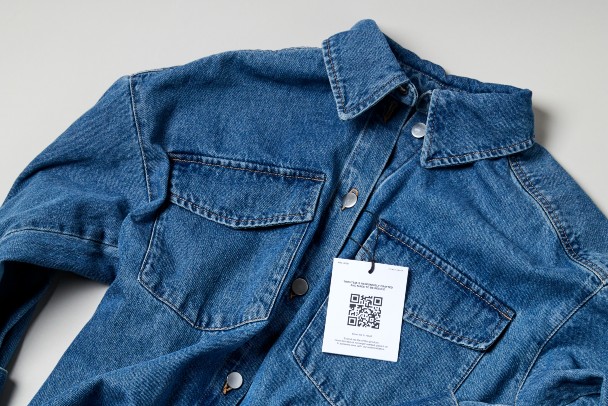
Traceability only matters if data travels with the product. Use identifiers your business already trusts - Global Trade Item Number (GTIN), style, colour. Test QR codes on care labels or swing tags in small pilots. Prove that upstream data can flow into product.
Design for change
Regulations will evolve. Keep your data structures flexible so you can expand without rebuilding everything. When the Delegated Act for Textiles lands and the 18-month adoption of measure window begins, you’ll be ready to adapt—not scramble.
Trimco’s take: making traceability part of the process
We know that smart technology alone doesn’t solve the challenge of traceability.
The real complexity lies in people and processes - helping suppliers understand what’s needed and making data collection practical, not overwhelming.
That’s why ProductDNA® is designed to fit into existing workflows and provide local support where it matters.
Here’s how ProductDNA® helps brands and suppliers alike:
- Collect upstream data without extra burden: we integrate data collection into care label ordering. Labelling is a step every supplier must adhere to before their product can be sold. This means suppliers provide additional details as part of something they already do, reducing duplication and admin fatigue. And because we’re part of the global textile supply chain, our teams are on the ground in key manufacturing regions to offer local support and training, making the process clear and achievable.
- Connect that data to actual orders: the information collected isn’t left sitting in a spreadsheet. Linking it directly to care label orders, ensures that traceability flows into the product record and stays connected throughout production.
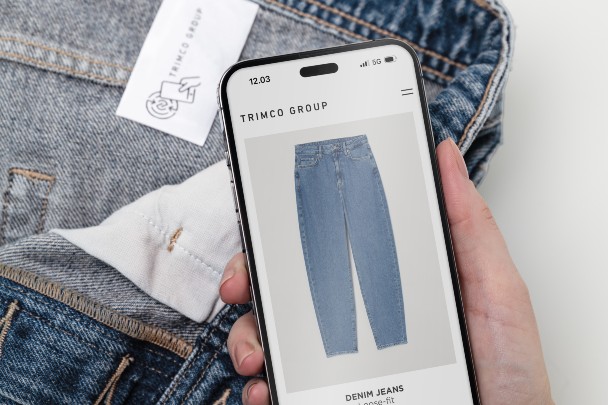
- Carry traceability into the garment: care labels printed with Trimco Groups ProductDNA® can include QR codes, so the data collected upstream remains accessible on the finished product.
This approach turns traceability from a separate compliance project into a natural part of the supply chain, helping brands prepare for DPP while making life easier for suppliers.
Start, standardise and make it practical
Starting data collection now is about building a deeper understanding to make life easier for your teams and your suppliers later. If we can standardise how information is gathered, align with industry practices and combine more detailed data requirements with existing workflows like care label ordering, then when the textile delegated act arrives, we’ll just be refining a system that already works, not building one under pressure.

Kayleigh Nichols, business development manager, ProductDNA® @ Trimco Group
About the author
Kayleigh is a UK‑based Business Development Manager specialising in supply chain transparency, emerging legislation, and digital transformation across the apparel and footwear sector. With 13 years industry experience, she has built deep expertise in supporting brands through complex compliance, data collection, and supplier‑engagement challenges.
Her experience spans key account management for leading UK brands, Trimco Groups’s physical product solutions (trims and packaging), and the company’s digital ProductDNA® platform for supply chain traceability, product trackability, and regulatory readiness.