
1. Give consumers a reason to scan

The first question every consumer asks is: "What's in it for me?"
Consumers are far more likely to scan when there is a clear benefit. Research into QR code usage indicates that access to information is one of the strongest motivators for scanning, particularly when consumers are looking for additional product information on packaging.
Consider offering:
Product ingredients and sourcing information
Recipes and serving suggestions
Product authentication
Sustainability information
Recycling guidance
Competitions, rewards or exclusive content
Product usage instructions
Case studies and campaign benchmarks also suggest that experiences which are interactive, useful or provide a clear incentive can generate stronger engagement than generic destinations.
Design with the consumer experience in mind. The QR code is simply the gateway to that experience.
2. Use a compelling call to action
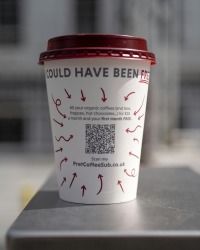
Many QR codes fail because consumers are never told why they should scan.
A clear, benefit-led call to action (CTA) can improve scan performance by making the value of scanning immediately obvious. QR campaign guidance consistently identifies vague or generic messaging as a common reason for low engagement.
Compare the difference:
✅ Scan for recipe inspiration
✅ Scan to trace our ingredients
✅ Scan to learn how to recycle this packaging
✅ Scan to unlock exclusive rewards
Versus:
❌ Scan me
❌ Learn more
The more specific the outcome, the stronger the motivation to scan.
3. Tailor the experience to your product category
Not every QR experience works equally well across every category. GS1 UK analysis of QR code implementations in the UK market found that different sectors tend to focus on different consumer needs.

- Alcohol brands frequently provide regulatory or compliance-related information
- Health and beauty products often focus on product education
- Household products commonly support brand engagement
- Food and drink brands use a wider mix of recipes, provenance, sustainability and product information
The most effective approach is to understand what information consumers genuinely want from your product category.
Ask yourself: "If somebody has already purchased this product, what additional information would they find genuinely useful?"
The answer will often reveal the most valuable QR experience.
4. Drive consumer confidence through better experiences
A strong QR strategy can be undermined by poor execution.
There are many examples of broken or non-functional QR experiences in the marketplace, demonstrating how easily consumer trust can be lost.
Common mistakes include:
❌ Broken links
❌ Slow-loading pages
❌ Irrelevant or generic content
❌ Poor mobile optimisation
❌ Excessive clicks before reaching the information consumers want

GS1 UK analysis has also identified examples of broken or non-functional QR experiences in the marketplace, highlighting the importance of testing and ongoing maintenance.
Before launch:
Test every QR code on multiple devices
Optimise landing pages for mobile
Monitor performance regularly
Ensure content matches the product being scanned
Review links periodically after products are on sale
Every additional click or second of delay reduces the likelihood of engagement.
5. Build trust through recognised standards
Trust influences whether consumers choose to engage with any digital experience, including QR codes. Like websites, apps and email links, QR codes are a widely used technology that consumers interact with every day.
Brands can help strengthen confidence by ensuring QR experiences are transparent, relevant and consistent. Consumers are more likely to scan when they know what information they will receive and when previous interactions have delivered value.
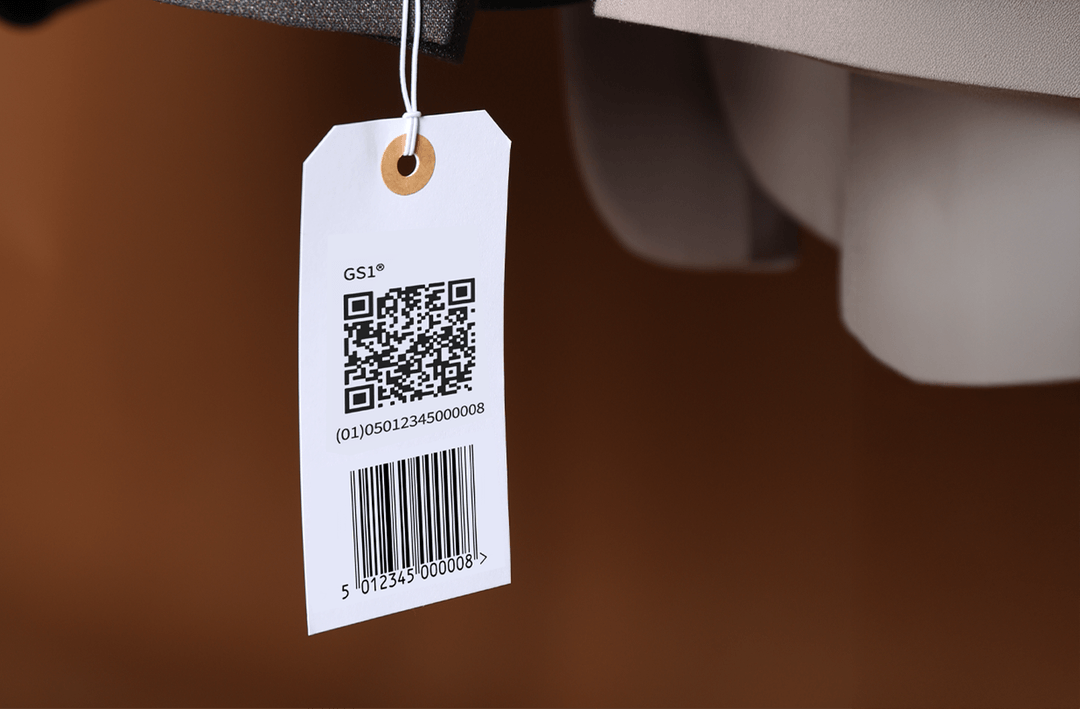
Using a QR code powered by GS1 can help reinforce trust and consistency.
By linking products to accurate, reliable information and adopting recognised global standards, brands can create experiences that consumers feel confident returning to.
Consider these good practices:
Clearly explain the benefit of scanning
Ensure content is accurate and regularly maintained
Link consumers directly to the information they expect
Use recognised standards and trusted brand identities
Deliver a consistent experience across products and channels
Trust is built through positive experiences.
When consumers consistently receive useful, relevant and reliable information, they become more willing to scan again in the future.
Don't focus solely on scan rate
While scan rate is an important measure, it shouldn't be the only one.
Many QR initiatives create value through:
- Regulatory compliance
- Product transparency
- Sustainability communications
- Recall and safety information
- Consumer education
- Brand trust
The most successful QR implementations are those that solve a genuine consumer need. When consumers consistently receive useful and relevant information, scan rates naturally follow.
This article draws on QR consumer behaviour research and campaign benchmarks from GS1 UK Future of Trade (FT) consumer research, GS1 UK market analysis of QR implementations and security.org’s QR code phishing ("quishing") guidance: Quishing Explained: How to Spot QR Code Phishing Scams | Security.org.