January 20, 2026 Opinion piece
When household budgets are tight, shoppers punish friction. They penalise anything that wastes time, hides fees, or obscures information they need to make confident choices. In 2025 Britain, that mood persists as 60 per cent of consumers say they are tracking their spending more closely. The cost-of-living crisis continues to shape behaviour, with consumers increasingly cutting back, switching brands and “shopping around” to squeeze value out of every basket.
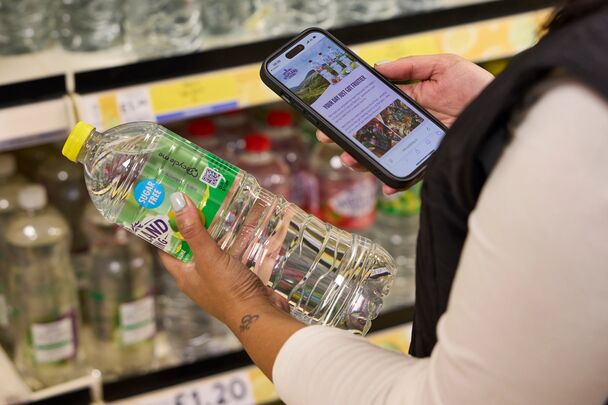
Against that backdrop, the quiet revolution unfolding on packaging matters. The next generation of barcodes, QR codes powered by GS1, promises to replace the single-purpose barcode with a gateway to real-time, brand-verified product information, scannable by tills and smartphones alike. By the industry’s target date of 2027, this will start to become the new normal.
So let yourself imagine a world with lower waste and tighter recalls, millions of consumer scans feeding opt-ins and insights, and frictionless compliance with sustainability and pricing rules. That’s not a tech upgrade; it’s a competitive moat.
What consumers gain: clarity, safety and genuine value
To ensure its full potential is met, there will be some logistical challenges to implementing QR codes powered by GS1; however the long-term benefits for both consumers and industry alike are predicted to supersede such challenges.
During times of economic difficulty, it may be obvious, but price is the biggest driver of consumer decisions. While QR codes don’t set prices, they do complement the UK’s new price transparency rules. Linking shoppers to clear, total-price information helps prevent the drip pricing tactics that regulators are clamping down on. In a squeeze, clarity brings certainty and value, which underpins consumers’ brand loyalty.
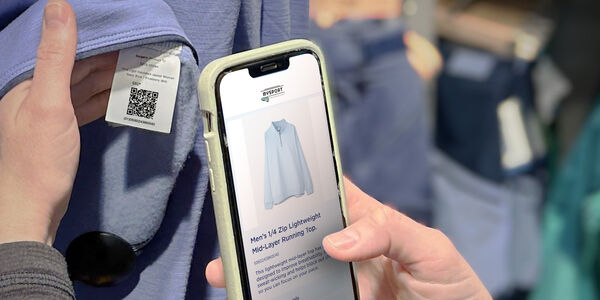
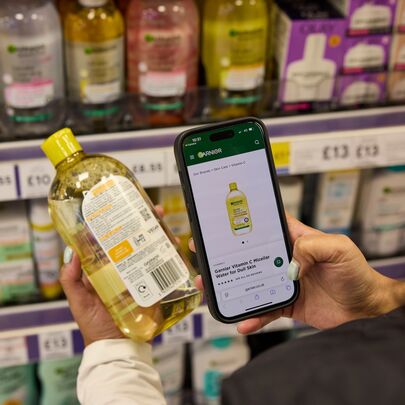
Another benefit we expect consumers to experience is radical transparency at the shelf. A single scan would reveal ingredients, allergens, nutrition, provenance and sustainability claims, without cramming tiny text onto labels. This reduces risk for families juggling dietary needs and helps shoppers compare like-for-like quickly. In an era where every penny counts, transparency is trust.
QR codes powered by GS1 will also reduce friction when accessing important product information, especially for those with visual impairment. One example is Unilever’s Accessible QR (AQR) initiative, developed with the Royal National Institute of Blind People (RNIB). The AQR delivers product details in audio, large text and screen-reader-friendly formats across dozens of brands and markets, enabling greater engagement with all their consumers. This is a great demonstration of why inclusive design isn’t just good ethics; it’s good business. It makes everyday shopping inclusive, safer and more independent for visually impaired customers, helping them to choose and remain loyal to the brands that enhance their lives.
In a complicated and fast-moving world, mistakes will inevitably happen. When they do, consumers expect brands to rectify them in an efficient way, minimising any loss or discomfort to them. As such, in cases where brand recalls are required, QR codes powered by GS1 can help to better inform consumers of the product issue and guide them through the recall process effectively. This is done by encoding batch data, enabling targeted recall alerts, enabling fewer blanket recalls and clearer guidance for the person holding the pack. When done effectively, product recalls can minimise any negative perception of the brand and, in some cases, help build a stronger connection between consumers and their favourite brands.
For consumers, the certainty provided by QR codes powered by GS1 influences their decision-making by delivering trusted, standardised product information directly from the brand. It reduces ambiguity and risk at the point of purchase, which is critical when budgets are tight and confidence drives choice.
What manufacturers gain: efficiency, data and reduced risk
To deliver these benefits, the industry needs a smarter way for product codes to connect to trusted information online. This is what the GS1 Digital Link standard does. It takes the identifiers already used throughout global supply chains, such as the GTIN, and encodes them in a web‑friendly format. In practice, this means a single QR code can work at the till and also act as a gateway to real‑time, brand‑controlled digital content.
With this foundation in place, GS1 Digital Link turns a pack code into a live, context‑aware route to whatever the user needs — from consumer content and customer service to recycling instructions and B2B functions such as traceability and POS scanning. By digitising much of the product information, it reduces label clutter and unifies the product’s identity across channels.

Insights by Benjy Owusu-Daaku, engagement manager at GS1 UK
Connected packaging also creates an owned first‑party touchpoint at the moment of truth. Brands are already using the QR code to deliver recipes, usage tips and loyalty enrolment straight from the pack, with no search detours, less misinformation and richer analytics.
The transition to the QR code also gives manufacturers an opportunity to review and update their data structures and processes.
One example is Nestlé Professional’s GS1‑led data cleanse, which reduced the drag of maintaining inactive SKUs, saving thousands per item and building customer trust through accurate content. Disciplined data pays for itself long before the first scan.
Industry would also benefit from sharper operations in retail. Batch and expiry data in QR codes enable better stock rotation, precise markdowns and faster, safer recalls — benefits retailers increasingly expect as they upgrade scanners ahead of Ambition 2027. Early movers will win distribution and promotional opportunities.
Why this matters now
UK consumers are cautious, demanding clarity and increasingly unforgiving of opacity, whether in ingredients, provenance or price. Brands that embrace QR codes powered by GS1 aren’t just adding tech to packs; they are removing friction from decision-making in a tough economy. That earns trust. And trust, more than ever, is the currency that converts.