June 04, 2026 Industry news
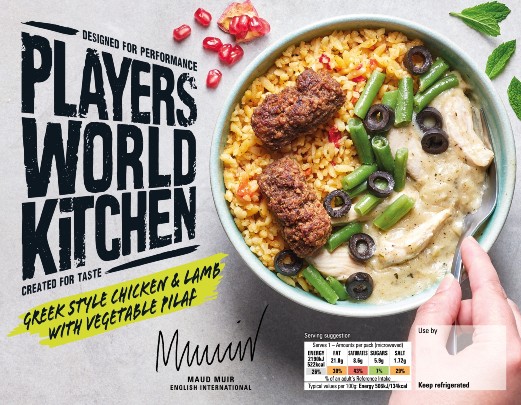
Oscar Mayer’s launch of its new Players World Kitchen range marks an important moment for UK retail.
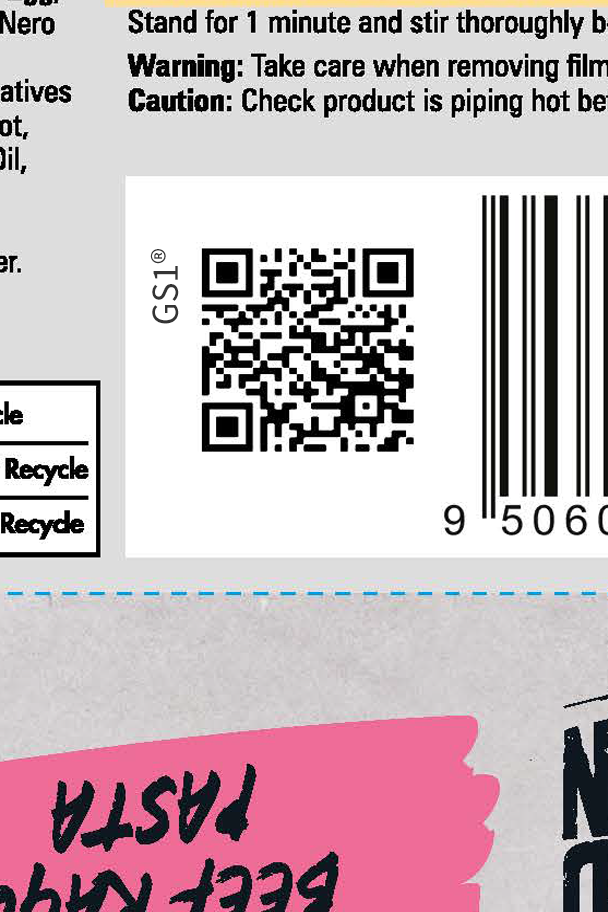
For the first time, branded QR codes powered by GS1 appear on products sold through a major UK retailer, with the range now available in Asda stores.
Players World Kitchen brings together athlete designed recipes and a new royalty model that supports women’s rugby. But the decision to use branded QR codes on pack points to something broader.
For Oscar Mayer, it reflects a deliberate move to create more engaging, transparent products and to find new ways of connecting shoppers with the stories and information behind its food. For industry, it represents a visible step in the shift towards QR codes powered by GS1 and more connected, standards based product information.
A shift that has been building over time
For more than 50 years, GS1 standards have underpinned how products are identified, traded and scanned across global retail. Traditional barcodes have played a crucial role in making that system work at scale. What they were never designed to do was meet today’s expectations around transparency, accessibility and digital access to information.
Those expectations have evolved steadily. Shoppers increasingly want to know more about the products they buy, from ingredients and allergens to sourcing, sustainability and how products should be used or recycled. At the same time, brands and retailers are under pressure to ensure product data is accurate, consistent and easy to share across increasingly complex supply chains.
QR codes powered by GS1 have emerged in response. Built on trusted global standards, they connect physical products to digital information using a unique GS1 identifier, such as a Global Trade Item Number (GTIN). This creates a structured, interoperable way to link products to reliable data that can be understood across systems and markets.
What branded QR adds to the picture
Oscar Mayer’s launch is particularly notable because it uses GS1 branded QR codes.
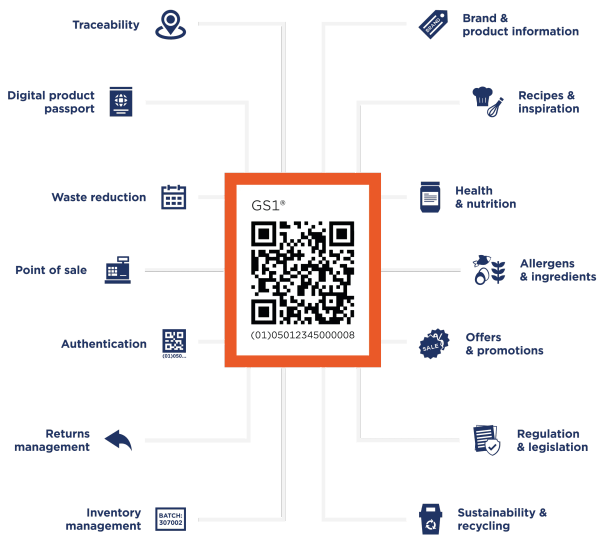
A branded QR is a QR code powered by GS1 that also features the GS1 trademark.
The trademark acts as a clear signal that the code complies with GS1 standards and can be trusted to link to consistent, verified product information.
That clarity matters. Packaging is already crowded and shoppers are often faced with multiple on-pack symbols, codes and digital claims. Being able to quickly recognise a trusted, standards-based QR code helps remove uncertainty at the point of scan.
It is also important to place branded QR in context. It is not a separate technology, but part of the wider move towards QR codes powered by GS1 as the next evolution of the barcode. These codes are designed to work across supply chains today and, as retail systems continue to evolve, at the point of sale in the future.
How this works on shelf
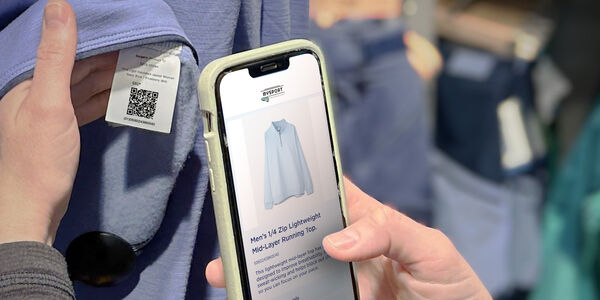
On the Players World Kitchen range, scanning the branded QR code gives shoppers access to information linked to the specific product they are holding, going beyond what would typically fit on pack. This includes nutritional and allergen details, as well as sourcing, sustainability and product origin information, alongside content linked to the athletes behind the meals.
As well as practical product information, the codes allow Oscar Mayer to share more of the story behind the range, from the players involved to the thinking behind each dish.
For the brand, this offers a flexible way to share richer information without adding clutter to packaging. Content can be updated digitally over time, helping ensure it remains accurate and relevant while sitting on a consistent data foundation.
For consumers, it provides clearer, more accessible insight into the products they are buying, supporting informed choice and trust.
From trials to mainstream retail
The appearance of branded QR codes on products sold through a major UK retailer marks a milestone, not because the technology is new, but because of where it is now being used.
Over recent years, GS1 UK has been working with brands, retailers and solution providers to support the wider adoption of QR codes powered by GS1 across retail. This work has focused on practical use cases, real world testing and ensuring the approach works within existing retail environments.
In parallel, major retailers, including Tesco, have been trialling QR codes powered by GS1 to explore how next generation barcodes could improve product information, reduce waste and support clearer communication with shoppers.
Oscar Mayer’s launch with Asda brings these strands together. It shows how standards based QR codes are moving out of trials and pilots and into everyday retail settings, where they can be used by shoppers at scale.
Why this matters for industry
This is not a sudden transformation. It is a quiet one.
Rather than replacing existing barcodes overnight, QR codes powered by GS1 are being introduced alongside them, building on infrastructure that is already widely used and trusted.
Each implementation strengthens the foundations for more connected, accurate and accessible product information.
For brands, this provides a practical way to futureproof packaging, improve data quality and combine trusted data with richer storytelling.
For retailers, it supports a gradual move towards more flexible scanning, stronger data foundations and more consistent digital shelf communication.
For consumers, it represents steady progress towards clearer, more transparent and more trustworthy product information.
Oscar Mayer’s Players World Kitchen range launching in Asda is an early but meaningful example of how brands of all sizes are beginning to use QR codes powered by GS1 in practice, bringing together standards, storytelling and scale in a mainstream retail environment.