May 11, 2026 Industry news
Digital Product Passport (DPP) readiness across the apparel sector is already underway, with industry engagement continuing to build.
That was the clear message from a recent GS1 global webinar, attended by hundreds of apparel brands, retailers, manufacturers and solution providers. It also marked the launch of the GS1 DPP Circularity Mission Specific Working Group sub-team for textiles and apparel, which kicks off on 27 May.
As regulatory momentum builds under the Ecodesign for Sustainable Products Regulation, businesses are starting to confront what the DPP will require in practice. The direction is becoming clearer, but how to implement it across complex, global supply chains is less so.
One theme came through consistently: the challenge is not just about technology, but about data.
Why apparel is under pressure to act
Textiles and apparel are a priority category for the DPP. While detailed requirements are still being developed through delegated acts, the overall framework is now in place.
For businesses, this creates a familiar tension. There is enough certainty to act, but not enough detail to provide complete clarity. Waiting risks losing time to adapt systems and supplier networks. Moving ahead without alignment risks duplication and rework.
Organisations are beginning to assess their readiness: reviewing how product data is captured, exploring QR codes powered by GS1 and considering how the DPP could fit into existing operations.
The real challenge is data
The DPP is often framed as a technology challenge. The webinar made clear that this is not the case.
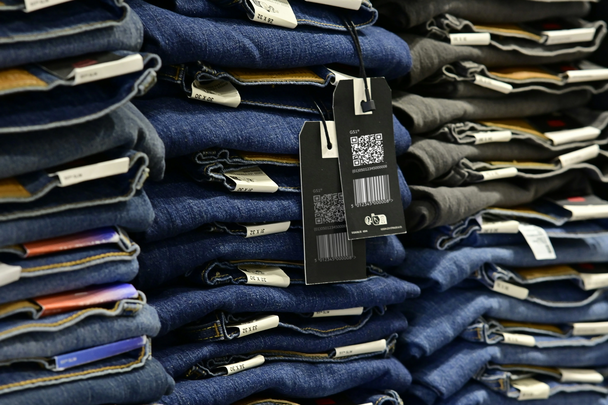
Identifiers, data carriers such as QR codes and the infrastructure to link physical products to digital information already exist and are used across many apparel businesses.
The challenge lies in the data itself.
As discussed during the session, key questions remain. What information should be included? How should it be structured? And how can it be shared consistently across global supply chains?
Until there is alignment on these points, progress will remain fragmented.
From the ‘how’ to the ‘what’
The discussion is shifting from the ‘how’ to the ‘what’.
The ‘how’ is relatively well understood: identifiers such as the Global Trade Item Number, QR codes and the systems needed to access product information.
The ‘what’ is still being defined, from materials and manufacturing data to sustainability and lifecycle information.
As one industry speaker put it, “The challenge is not the technology… it’s agreeing what information should be shared.” Without alignment at this level, interoperability remains difficult to achieve.
A supply chain wide issue
This challenge is amplified by the nature of apparel supply chains.
They are global, fragmented and deeply interconnected, with key data often sitting upstream with raw material producers and manufacturers.
Bringing this information together requires coordination across organisations, systems and geographies, and it takes time. As highlighted in the webinar, long lead times and supplier engagement mean preparation cannot be left until final requirements are published.
The role of GS1 standards
This is where globally agreed standards become essential.

GS1 standards provide a foundation for identifying products, structuring data and sharing information across organisational and geographic boundaries, reducing the need for bespoke solutions between trading partners.
In the context of the DPP, this includes:
- Globally unique product identification using GTINs
- 2D barcodes, such as QR codes powered by GS1, to link products to digital information
- Common approaches to structuring and sharing data
These standards can be applied as requirements become clearer, allowing businesses to build on what already exists.
Industry momentum is building
The webinar also highlighted that many of the building blocks for DPP are already being used across the apparel sector.
Industry speakers shared examples of QR codes, RFID and GS1 standards supporting traceability and connecting products to digital information today.
As one speaker noted, ‘DPP is not a data entry exercise...it’s a digitalisation challenge.’
Why collaboration matters now
If the DPP depends on consistent data, then industry collaboration becomes essential.
No single organisation can define the data requirements for the entire sector or ensure consistent adoption across global supply chains.
This is the role of the GS1 DPP Circularity Mission Specific Working Group sub-team for textiles and apparel.

Announced during the webinar, it provides a neutral, industry-led forum to:
- Align on key data points needed for interoperability
- Understand the evolving legislative landscape
- Develop practical guidance on how GS1 standards are applied in apparel contexts
The sub-team meets monthly from 27 May and is open to brands, retailers, manufacturers, solution providers and GS1 Member Organisations. For organisations looking to understand what the DPP means in practice, it offers a clear way to get involved.
From compliance to capability
While driven by regulation, the DPP signals a broader shift in how product data is managed and shared.
The ability to capture, structure and exchange data consistently can support improved traceability, greater visibility and more efficient data management.
A chance to help shape implementation
Many of the practical details that will define DPP in apparel are still being developed. This creates a window for industry participation.
Businesses that engage now can contribute to defining the data, approaches and standards that will underpin DPP implementation across the sector.
The GS1 DPP Circularity Mission Specific Working Group sub-team for textiles and apparel provides a practical forum for that work to happen, giving organisations across the value chain an opportunity to collaborate on the challenges ahead.
How to register
Registration for the apparel Digital Product Passport working group is managed via GS1 xChange, our global collaboration platform for industry working groups. When you click the banner below, you will be redirected to the GS1 xChange platform.
Step 1
Click Login, then select Register to create an account.
Step 2
As part of the registration process, you will be asked to sign the GS1 Intellectual Property Policy and the Work Group Opt-in Agreement. This is a standard requirement for participation in industry wide standards development groups.
Please note
Registrations are per user, not per organisation. Each individual joining from your organisation must complete their own registration.