
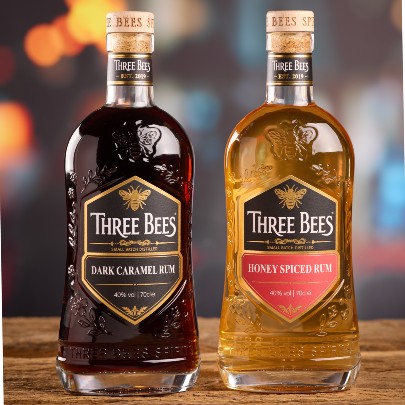
As part of a full rebrand and the launch of a new custom bottle, Three Bees Spirits introduced QR codes powered by GS1 to support its move into larger retail and wholesale channels and take a more structured approach to digital product information.
For the team, this was less about adding something new, and more about getting the foundations right as the business grows.
About Three Bees Spirits
Three Bees Spirits is part of Market Harborough Honey Co., which began with a small number of beehives and a focus on producing high‑quality honey shaped by the local landscape. Working closely with honey and other natural ingredients led the business to explore how those same principles could be applied to spirits.
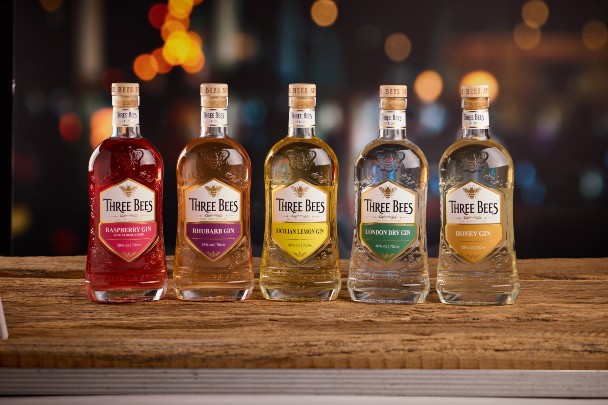
That became THREE BEES® Spirits, a range built around three core ideas: Botanicals, Balance and Bees.
Botanicals underpin the flavour of each spirit, Balance reflects both the distillation process and the way the business operates as a Certified B Corporation, and Bees remain central through its beekeeping roots and focus on sustainability.
As the spirits range has grown, so has the need to make sure packaging, labelling and product data are set up to meet the expectations of larger retail and wholesale customers.
The challenge
As Three Bees looked ahead to supplying larger customers, it became clear that packaging needed to do more than carry branding and statutory information.
Expectations around digital product information are shifting, particularly in food and drink. There is more emphasis on structured, accessible data that can work across different systems, not just what sits on pack. At the same time, wider expectations around transparency and traceability are continuing to move in one direction.
“We’re constantly looking ahead at how requirements are changing around digital product information, traceability and transparency,” says Thomas Dun, operations director at Three Bees Spirits. “GS1 is clearly becoming the global standard.”
Timing mattered here. Three Bees was already in the middle of a full rebrand and developing a new custom bottle, which created a one‑off opportunity to make the right decisions about how product information would be structured and accessed.
Rather than adding QR codes later, the focus was on putting something in place from the outset that was standards‑based and could adapt over time.
Building QR codes into the rebrand
Introducing QR codes powered by GS1 became part of the rebrand itself, rather than a separate workstream.
“As we expand into larger retail and wholesale channels, it’s important that our packaging evolves alongside industry expectations,” says Thomas. “Introducing QR codes powered by GS1 was a natural step, particularly as we were already undergoing a full rebrand and launching a new custom bottle, making it the perfect time to build this in from the start.”
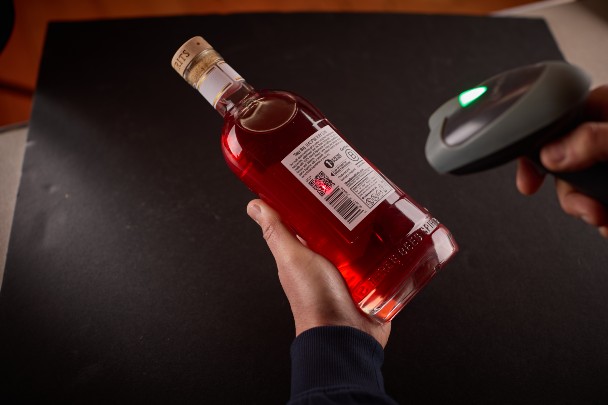
“We had early awareness that QR codes were becoming increasingly important,” Thomas explains. “We knew we needed to adopt this approach to be ready for large retail.”
To sense‑check the setup, Three Bees worked with GS1 UK member support to confirm everything had been implemented correctly. The QR codes themselves were generated using QRCode Monkey to create print‑ready files.
Each QR code links to a dedicated e‑label page on the Three Bees website. These sit alongside the main site but are designed to do a specific job, giving both retail buyers and consumers clear, focused product information without having to navigate through broader brand content.
“A key learning was the importance of structuring that information properly from the outset,” says Thomas. “Ensuring it’s accessible, consistent and future ready is critical as requirements continue to evolve.”
A structured approach to product information
By building QR codes powered by GS1 into its new packaging, Three Bees now has a consistent way of linking each product to the right digital information.
That has removed the need to revisit label decisions in the short term and means product data can be managed in a way that aligns with GS1 standards as expectations evolve.
“GS1 provides a clear and well-structured framework,” Thomas says. “Once we understood the GS1 Digital Link format, it was simply a case of aligning it with our product data. Overall, it was a smooth process and far easier to integrate than we initially expected.”
Building on the foundations
Looking ahead, Three Bees expects QR codes to play a bigger role in how it shares information with both trade customers and consumers.
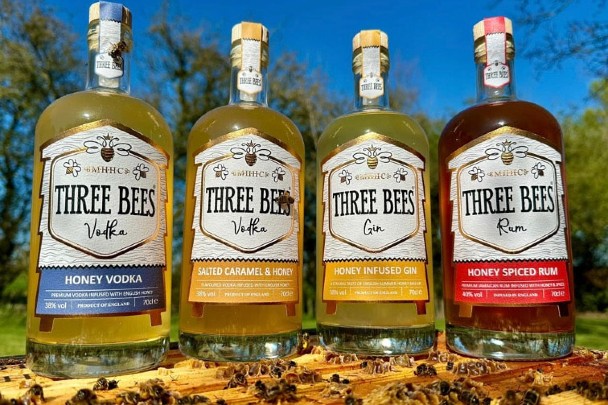
“Looking ahead, we see QR codes becoming a central part of how we communicate with both consumers and trade, evolving from simple links into tools for transparency, traceability and richer brand storytelling,” says Thomas.
As standards continue to develop, particularly around digital product passports, the business expects QR codes to support a broader set of structured data. While batch‑level information is more difficult with pre‑printed labels, putting the right structure in place early means it is better positioned to build on this over time.
The team also plans to introduce GS1 QR codes across its honey range as labels are updated, creating a consistent approach across the wider business.
Find out more

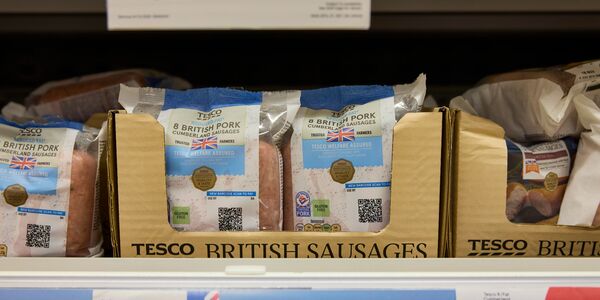
Tesco becomes the first UK supermarket to transition an entire product range to QR codes powered by GS1
Tesco’s move to QR codes powered by GS1 marks a quiet but important shift for UK retail, moving the technology from pilots into everyday use at scale.