December 08, 2025 Industry news
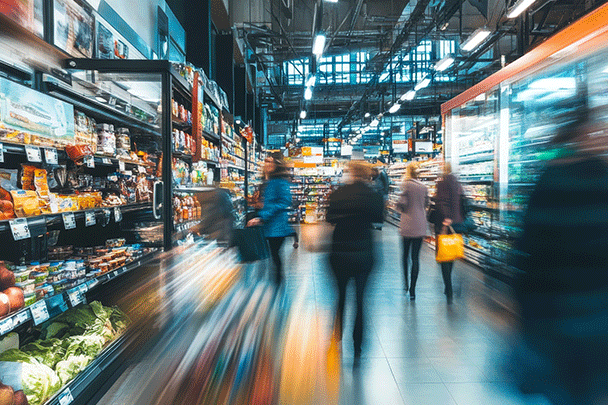
Imagine walking into a busy supermarket at Christmas. Shelves are stacked high, aisles crowded, bright lights everywhere, but for you the labels might as well be blank.
You cannot confidently identify the products on the shelves, read the ingredients, the use by dates or instructions. You feel the pressure of time, the frustration of having to ask strangers for help and the anxiety of wondering if you will make a mistake that could ruin your meal plans or even put your health at risk.
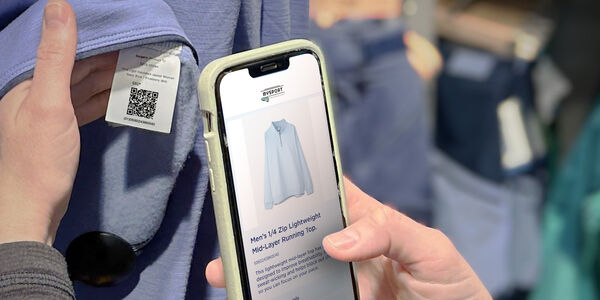
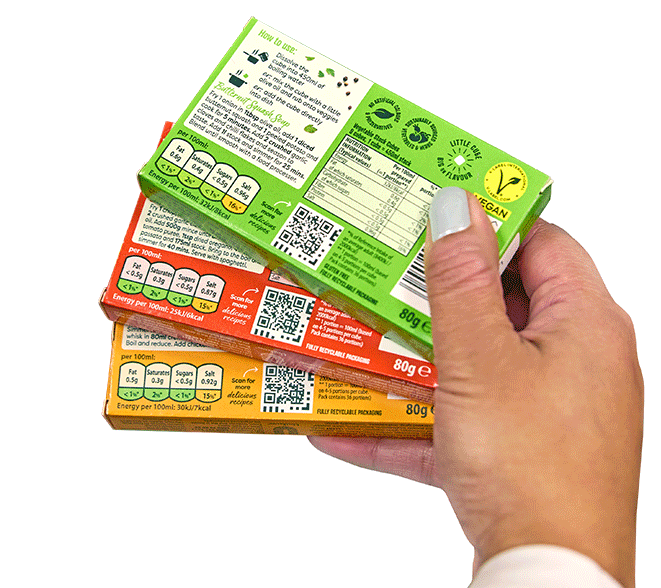
That is the reality for millions of people living with sight loss. Accessible QR codes powered by GS1 change that. With a quick scan, the information you need is read aloud through your phone’s accessibility tools. No asking for help, no guesswork, no uncertainty. Just independence, confidence and the freedom to choose what you want, just like everyone else.
These benefits do not stop at the checkout. At home, these next generation barcodes help visually impaired people confirm what a product is and access usage instructions safely and independently. As the technology evolves, use by dates are embedded too, so people can check freshness and avoid food waste without relying on others.
This is not just about technology. It is about inclusivity. It is about making shopping fairer for everyone and turning what can be a stressful, exclusionary experience into something joyful and empowering, especially at a time like Christmas when food should bring people together, not set them apart.
A barrier hiding in plain sight
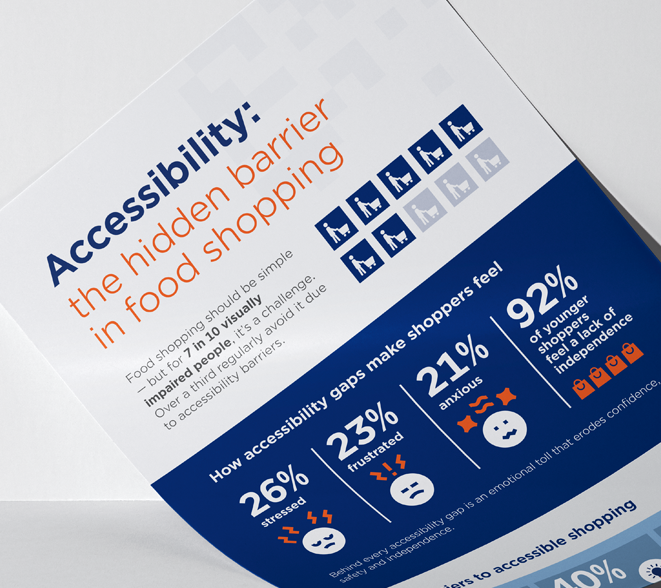
Globally, more than 315 million people are blind or have low vision. In the UK alone, over two million people live with sight loss. For these shoppers, food shopping is not a simple task, it is a daily challenge with barriers that most of us will never notice or understand.
Our latest research has found that 71 per cent of severely visually impaired shoppers describe buying and preparing food as very challenging, while 83 per cent say packaging information is difficult or impossible to access.
These barriers do not just inconvenience, they exclude. In fact, 18 per cent avoid shopping altogether because of accessibility barriers.
The human cost of inaccessible design
Behind every barrier is an emotional toll. 26 per cent of shoppers feel stressed, 23 per cent frustrated and 21 per cent anxious when trying to identify products on shelves. For younger shoppers, the impact is even greater: 92 per cent report a loss of independence, 42 per cent feel frustrated and 17 per cent feel helpless and embarrassed during the process.

I’m a bit unadventurous, it’s difficult to explore new products when you can’t read the labels. Consistency is key. We need accessible QR codes across everything, not just in the cereal aisle or on a few products. The ability to scan from a distance and instantly get information would be a miracle for shoppers like me, and having information on the products stored and accessible quickly in a consistent way would make shopping easier, fairer and far more inclusive.”
Vicky Blencowe
A volunteer with the Sight Loss Council
Social discomfort adds another layer. 53 per cent have had to ask strangers for help reading labels, and more than a third feel uncomfortable doing so. For many, what should be a simple shopping trip becomes a source of stress and anxiety.
When barriers become dangerous
Accessibility is not just about convenience, it is about safety. 41 per cent of visually impaired shoppers have bought food they later discovered contained ingredients they avoid, and 37 per cent have experienced allergic reactions because labels were inaccessible. For those managing allergies or dietary restrictions, unreadable packaging can lead to serious health risks.
These challenges extend beyond the store. At home, identifying products and accessing cooking instructions can be equally difficult. Without accessible solutions, independence is compromised and dignity is lost.
Consumers are calling for action
The message from visually impaired shoppers is clear: accessibility is not optional, it is expected. 85 per cent want government intervention to make accessibility support mandatory and 78 per cent believe brands and retailers have not invested enough in technology to support visually impaired shoppers.
When asked what would make shopping easier, respondents highlighted large, high contrast print (56 per cent), consistent shelf layouts (43 per cent) and QR codes with audio descriptions (32 per cent). But while large print is desirable, it is often impractical on small packs.
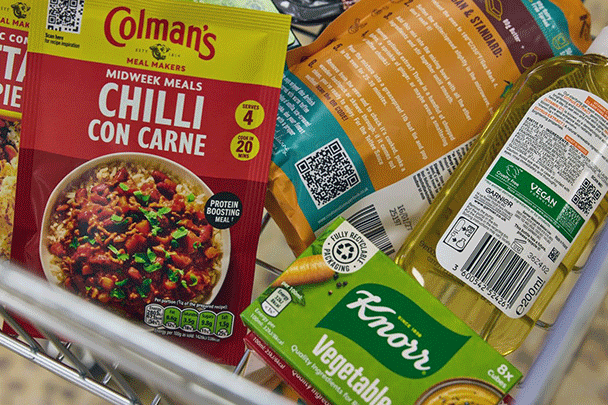
QR codes overcome this limitation by linking to detailed, accessible product information without changing the packaging design.
Accessibility is good business
For retailers, accessibility is more than a compliance issue, it is a commercial opportunity. 62 per cent of shoppers say they are more likely to buy from stores offering accessibility solutions.
63 per cent stick to familiar brands to avoid accessibility challenges, limiting discovery and choice. Inclusive design does not just remove barriers, it builds loyalty and trust.
QR codes as a gateway to inclusion
Technology offers a practical, scalable solution. QR codes powered by GS1 use global standards to connect packaging to structured product information such as ingredients, allergens and storage advice in a format that works with screen readers and assistive apps.
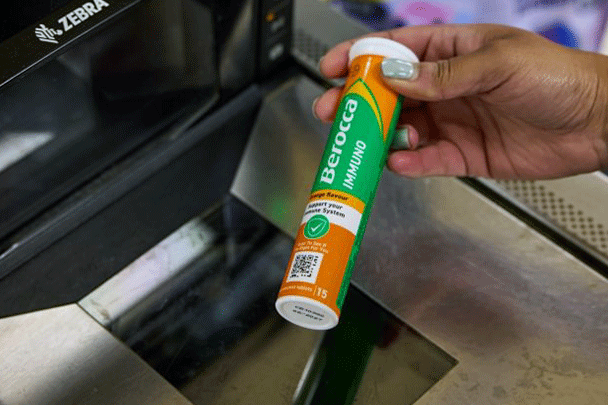
One code serves everyone: it scans at checkout like a traditional barcode and unlocks accessible content for those who need it.
Solutions like Zappar’s Accessible QR go further, making codes easier to detect and scan from a distance and guiding users with audio cues until the product information is read aloud. For shoppers with sight loss, this means independence, confidence and safety. For brands and retailers, it means meeting consumer expectations and leading the way in inclusive design.
Consumer readiness is high: 80 per cent would use QR codes for product information if widely available, yet only 40 per cent have had the chance. The technology exists. The demand is clear. The time to act is now.