
Digital product passports (DPPs) will fundamentally change how products entering the European market are identified, understood and managed.
Introduced under the EU’s Ecodesign for Sustainable Products Regulation (ESPR), they will require brands and retailers to share structured product information, including composition, sustainability credentials and supply chain history, through a digital record linked to each item. Any UK business exporting to the EU will need to comply.

Why DPPs matter
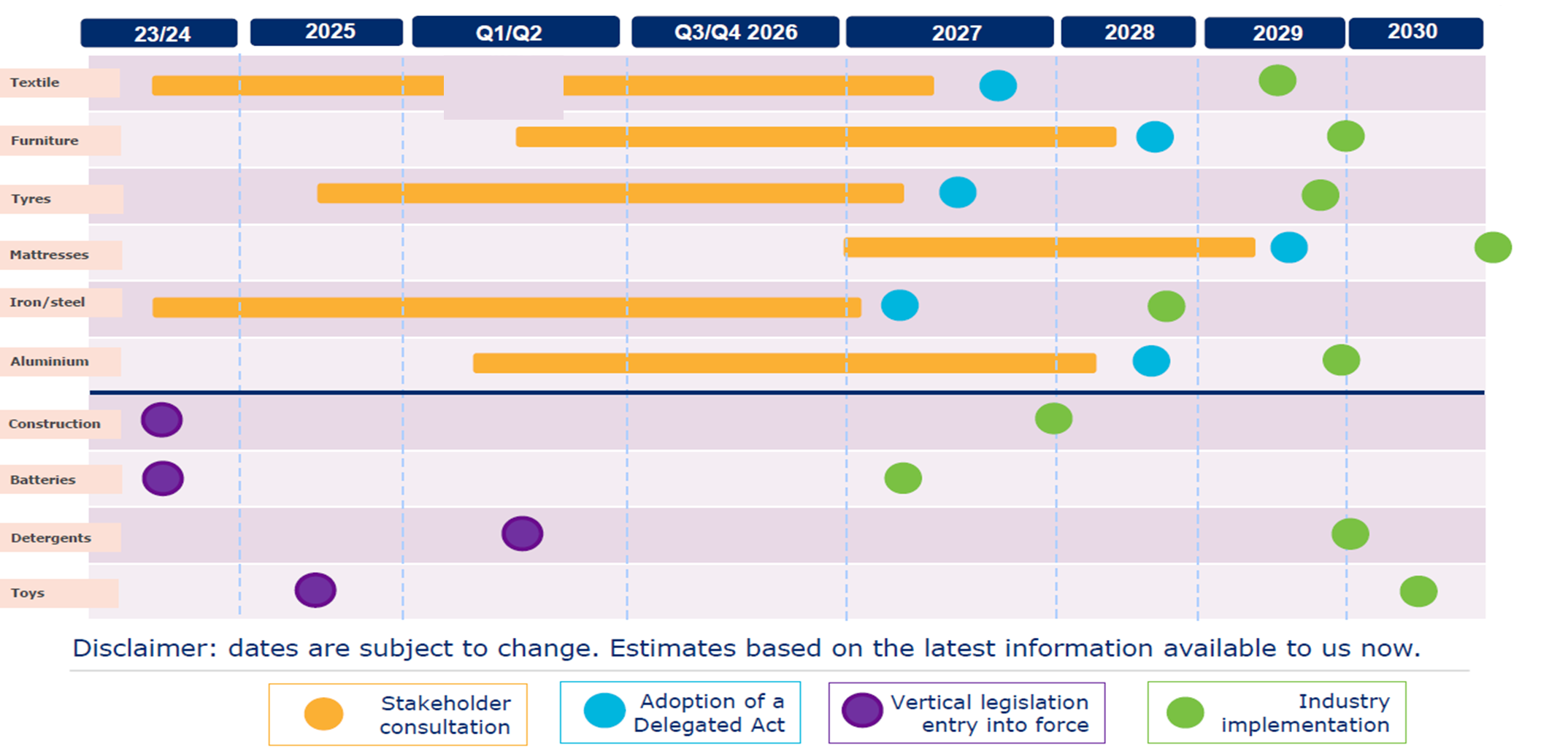
DPPs are designed to improve transparency, support circular business models and reduce environmental impact by ensuring that accurate, verifiable product information can be accessed throughout a product’s lifecycle. They will apply first to textiles, batteries, electronics and construction materials, with more categories to follow.
However, GS1 UK research highlights that many organisations are not prepared. Only 16 per cent of UK managers trading with the EU feel ready for DPP requirements, and exporters who fail to comply risk losing around £1.5 million a year due to rejected goods and lost EU market access.
Regulation and timelines
The ESPR sets out the overarching rules for how DPPs will work, including unique product identification, mandatory data requirements, and differentiated access for consumers, regulators and supply chain partners. Product specific delegated acts will define the exact requirements for each category.
Initial timelines indicate that final standards will be circulated to national bodies in 2026, with priority sectors beginning implementation from 2027.
How GS1 standards enable digital product passports

Identification
GS1 identification keys, including GTINs for products and GLNs for economic operators and facilities, provide the globally unique identifiers required to link each physical product to its digital passport. The GS1 Digital Link standard then enables web capability for these GS1 identifiers.

Data capture
GS1 Digital Link can be embedded within various data carriers such as QR codes powered by GS1, data matrix, NFC and RFID tags, connecting the physical product to its digital profile. This approach bridges the gap between the physical and digital worlds, offering access to DPP information for consumers, customs, recyclers and regulators and supporting item-level traceability when required.

Data sharing
EPCIS enables structured, secure sharing of lifecycle events, ensuring that DPP data is accurate and up to date. GS1 Digital Link connects physical products with trustable digital information sources and machine readable, structured data.
Risks of not preparing
Failure to meet DPP requirements could result in:
- Goods being blocked at EU borders
- Lost trade and revenue
- Supply chain disruption
- Increased administrative costs
Because DPP requirements are data‑heavy, the greatest risk lies in delayed preparation, particularly for organisations with complex, global supply chains.
Case studies

First traceable wool garments powered by QR technology launched in Sweden
The launch marks a significant milestone in the textile industry’s journey towards more sustainable production and consumption.

Loake Shoemakers: preparing for Digital Product Passports with QR codes powered by GS1
How a British heritage brand famed for high quality is embracing sustainability and preparing for new EU regulatory demands with next-generation barcodes.

QR codes powered by GS1
QR codes powered by GS1 use the GS1 Digital Link standard to connect products to digital information and enable multiple uses, from point of sale scanning, consumer information, customs checks, repair and recycling data and access to a product’s digital passport, all through one symbol.
They also support the global move towards two-dimensional barcodes, aligning DPP implementation with the industry’s wider transition.

DPPs are central to Europe’s circular economy ambitions.
By enabling users to access accurate product data, including how to repair, reuse, recycle or responsibly dispose of items, they support more sustainable choices and reduce environmental impact.
GS1 standards provide the interoperable foundation needed to make this work across borders and industries.
Resource library