

When the world shut down in 2020, Amy Hogarth found herself furloughed in Leeds and searching for a distraction during a distressing time for her family.
At the back of a cupboard was a candle making kit. Within weeks she was selling to neighbours. Within months she was at local markets. It was a small start, but one that would grow into The CAHM Collective, now stocked in more than 170 locations across the UK.
Amy’s background was not in craft but in corporate travel, sales and account management. Years spent managing accounts, analysing numbers and pricing complex services shaped how she approached her new venture.
“I always knew I wanted to work for myself,” she says. “I grew up in a family business. I understood margins, profit and how to price things properly. A lot of crafters undercharge. I knew from day one it needed to be a brand people would pay for.”
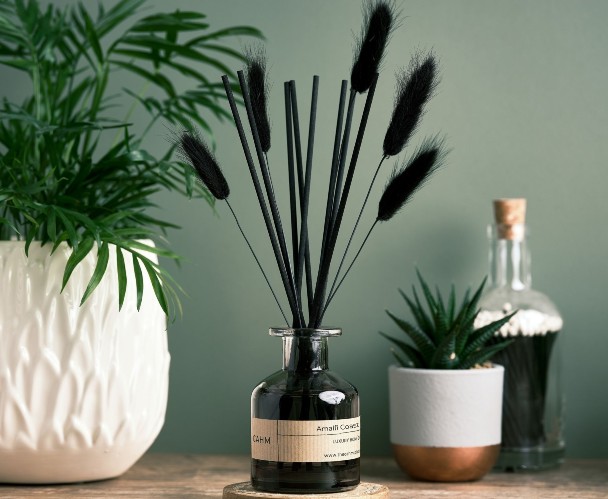
Brexit, supply chain shocks and a major global fragrance regulation change forced her to reformulate early on. While photographing a newly developed reed diffuser one afternoon, she dropped a few dried lagurus stems into the bottle on instinct.
The effect was immediate.
“Those bunny tails changed everything,” she says. “Because they are a natural product, people cannot simply buy them from candle suppliers. It gave us a point of difference that was hard to replicate.”
Markets soon became a real testing ground. Amy still credits those hours with shaping the brand. “The most important part of selling is listening. Farmers markets gave me unfiltered feedback. I grew the business by listening to customers in Leeds.”
Her commercial mindset meant CAHM was deliberately positioned as an affordable luxury. At her first major trade event, the British Craft Trade Fair, she invested extra to clad her stand in her brand colour rather than leave it white. It worked. She won best newcomer and left with stockists including Sheila Fleet Jewellery in Orkney, several of whom she still supplies today.
Getting retail ready
Amy knew retailers would eventually need barcodes but delayed the work for longer than she would like to admit. “I avoided it because I thought it would be complicated,” she says. “Then I found GS1 UK, created an account and realised I had nothing to worry about. Once I knew what to do, it was simple.”
The nudge came from a buyer at Booths who contacted her ahead of Home and Gift in 2024. Amy knew exactly what the meeting would require. She barcoded everything in time and discovered that the change was bigger than she expected.
“Just having a barcode changed the perception of my business. It tells buyers you are serious. It tells them you can handle bigger orders.” At a previous show, a buyer from a garden centre chain had assumed she would not be barcoded. Amy simply picked up the product and showed her. “That is when it clicked. People were making assumptions about my business before they had even spoken to me.”
She upgraded to a larger stand the following year and the difference was immediate. There were fewer conversations but they were better quality and with buyers placing orders of a size she had not seen before. “It was transformational.”
Amy also praises GS1 UK’s new My Numberbank platform. “It is brilliant. It is easy to use, easy to edit products and simple to search for everything. GS1 UK helped me get over the hurdle.”
Where the business stands now
The CAHM Collective now operates from a regenerated Victorian mill in Farsley, home to its flagship shop.
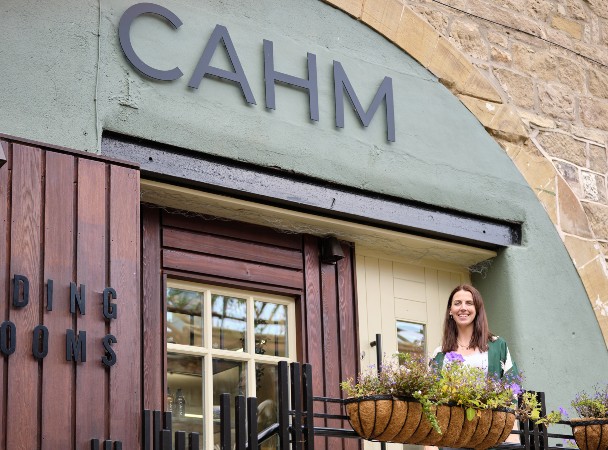
Amy runs the business full time with her partner Phil, supported by three part time team members and additional help during busy periods.
International sales have grown through Faire, the wholesale marketplace, bringing in stockists from the United States and Canada. A corporate gifting company in Nigeria has been a loyal customer for years. Before Christmas, the Fairmont Hamilton Princess hotel in Bermuda placed a large order. It was a full circle moment for Amy, who once worked at the Savoy when it was also a Fairmont property.
Her goal for 2026 is to secure one significant multiple retailer to sit alongside the independent stockists who remain the heart of the brand. A second shop is a longer-term ambition. “I know exactly who we are now,” she says. “The groundwork is done.”
The challenges of scaling
Growth has brought its own pressures. Cash flow remains the most persistent challenge. Suppliers often require payment upfront while retailers typically expect thirty-day terms. This creates a gap that must be managed with care. Storage, labour, packaging lead times and the logistics of fulfilling larger orders also require constant planning. Amy is mindful of the economic climate too.
“We make a luxury product. It is something people choose rather than something they need. The world economy is tough and every day I see small businesses closing their doors. I am incredibly grateful that we have built something that is still weathering the storm and that people return to again and again.”

Amy Hogarth, founder of The CAHM Collective
Advice to fellow founders
Having navigated several years of steady growth, Amy has become clear about the principles that have helped her move forward.
“Listening is everything. I learned more from standing at farmers markets than from anything else. People will tell you what they like and what they do not. Listening and absorbing that feedback is how you grow.”
She also encourages founders to focus on progress rather than perfection. “When things feel overwhelming, choose one small thing and start there. Tiny steps become a longer path and you will make your way through.”
Finally, she emphasises the importance of wellbeing. “Look after yourself. You cannot do your best work when you are exhausted. The world, your business and your customers will wait. If they will not, they are not the right people.”